The Terminal You Should Distrust: A Field Guide to Card Skimmers at the Pump, the Kiosk, and the ATM
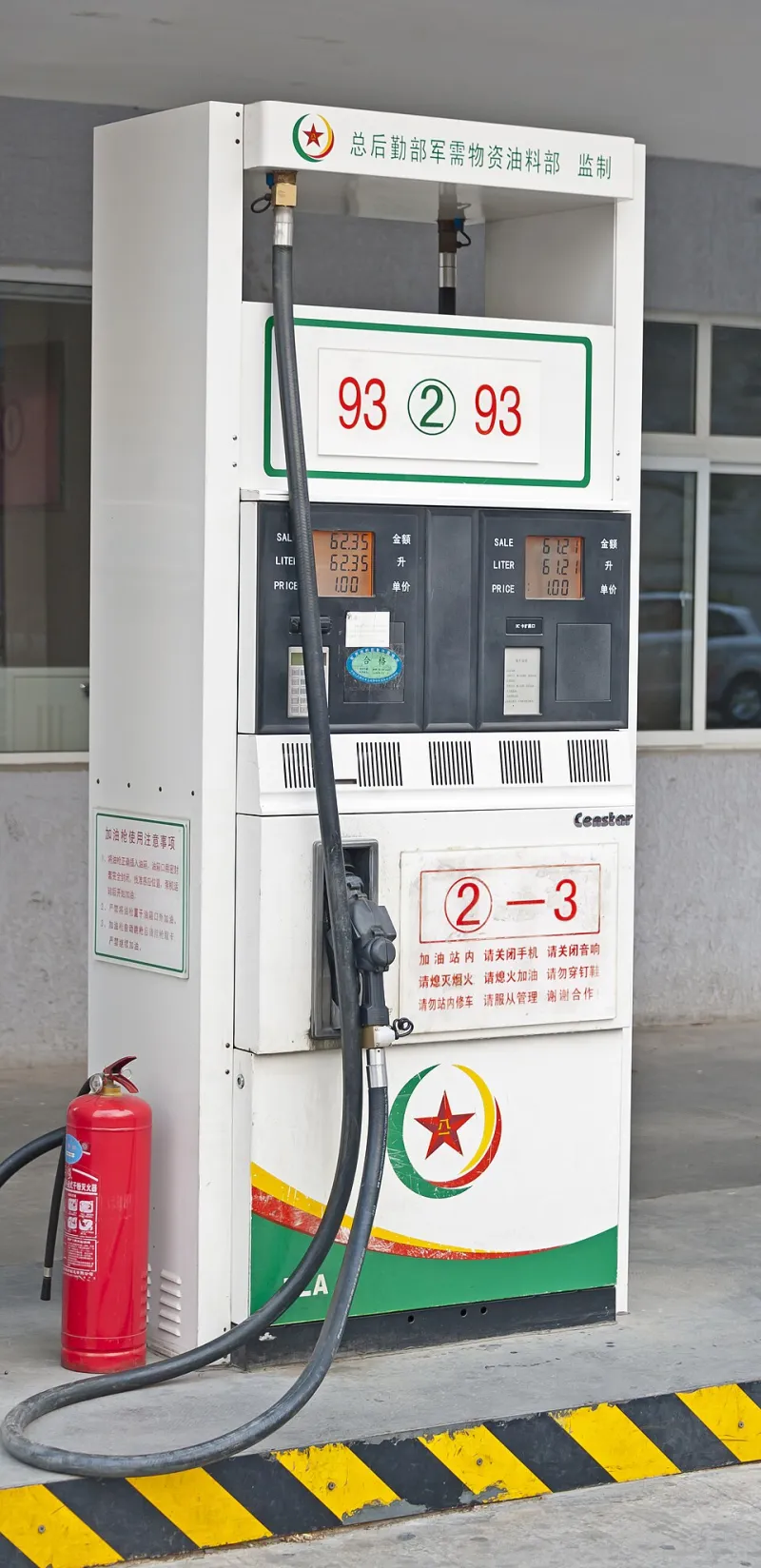
Photo: Daniel Case, CC BY-SA 3.0, via Wikimedia Commons
The gas pump at a busy interstate exit, the ATM outside a convenience store, the self-checkout kiosk at a big-box retailer — these terminals share a common design flaw. Each one asks you to insert a payment card into a slot that a stranger could have opened hours before you arrived. Card skimming, a fraud once considered a nuisance of the highway fuel stop, has quietly spread across the American retail landscape, and the latest generation of devices doesn't even need to swallow your card to steal from you.
What a Skimmer Actually Does
At its core, a skimmer is a small unauthorized reader placed over or inside a card slot. When you slide or insert your card, the device captures the data stored on the magnetic stripe — the same data the legitimate terminal reads. Paired with a hidden camera or a false keypad overlay that records your PIN, the setup gives a thief everything needed to manufacture a counterfeit card within minutes.
The more recent variant, known as a shimmer, is thinner and harder to detect. Shaped like a sliver of plastic, it slips deep inside the card reader itself, where it intercepts the data exchanged between your card's chip and the terminal. Older shimmers could not defeat the cryptographic handshake that chip cards perform, which limited them to harvesting stripe data. But the technology keeps evolving, and researchers have demonstrated deep-insert devices capable of capturing chip transactions — a reminder that no single defense remains permanent.
Why the Self-Checkout Lane Changed the Game
Attended registers are risky for thieves. A cashier behind a counter is a witness, and tampering with a terminal in view of staff and security cameras invites arrest. Self-checkout kiosks, unstaffed fuel pumps at night, and standalone ATMs offer no such friction. A person in a hoodie pretending to fumble with a payment screen can plant a device in under thirty seconds.
Retailers have responded with tamper-evident tape, security seals, and periodic inspections, but coverage is uneven across the thousands of terminals in any given chain. The burden of vigilance, unfairly but unavoidably, falls partly on the customer.
Why Tap-to-Pay Ruins the Thief's Business Model
Contactless payments and mobile wallets — Apple Pay, Google Pay, Samsung Wallet — operate on fundamentally different rails. When you tap, your phone or card transmits a one-time, cryptographically signed token rather than your actual card number. A skimmer that intercepts this exchange captures a token that is useless for a second transaction. The magnetic stripe, by contrast, is a static string of data that never changes, which is precisely why it remains the fraudster's preferred target.
The practical implication is simple: every transaction you move from dip or swipe to tap or wallet is a transaction a skimmer cannot monetize. Consumers who default to contactless are, in effect, opting out of the most exploitable part of the payment infrastructure.
A Pre-Insertion Checklist
Before you hand over your card at any unattended terminal, a ten-second inspection can spare you weeks of fraud disputes.
- Tug the card reader. Genuine readers are bolted down. A loose or wobbly bezel suggests an overlay. Skimmers attached with adhesive often detach with modest pressure — though use judgment; damaging a terminal creates its own problems.
- Inspect the keypad. Fake PIN pads sit slightly higher than the surrounding surface and feel spongy or thick. If the buttons seem raised or the plastic looks mismatched, cover your hand while typing or use a different terminal.
- Look for broken seals. Many fuel pumps carry a security sticker across the cabinet door reading "void if broken." A torn or replaced seal is a clear signal to move to another pump.
- Compare neighboring terminals. Two kiosks side by side should look identical. A card slot that protrudes further, a color that seems off, or an added attachment on one machine is worth walking away from.
- Prefer indoor and high-traffic locations. A pump in full view of the store attendant is harder to tamper with than the far row at midnight.
- Check for Bluetooth anomalies. Some security researchers suggest scanning for unknown Bluetooth signals near a terminal, since many skimmers broadcast for data retrieval. It is an imperfect test, but an unfamiliar device name near a reader is a reasonable reason for suspicion.
If You Suspect You Have Been Skimmed
Federal law caps consumer liability for unauthorized card transactions, provided you report promptly — $50 under most circumstances with a credit card, and stronger protections still under Regulation E for debit cards if you act within two business days. Review statements weekly, enable transaction alerts, and if your debit card was compromised, consider asking your bank to reissue it rather than simply disputing a charge.
The broader lesson is structural. The United States remains one of the few major markets where the magnetic stripe survives at all, and as long as it does, skimming will remain a low-risk, high-volume crime. Until the stripe disappears entirely, the tap of a phone against a reader is the closest thing American consumers have to a technological exit — and unlike vigilance at the pump, it costs nothing.