The Digits That Outlive You: When a Phone Number Becomes Someone Else’s Key
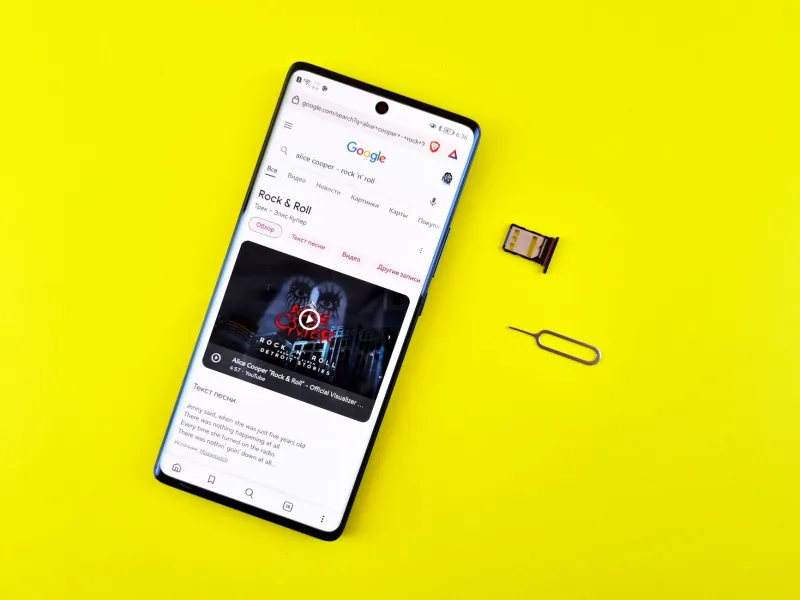
A phone number used to be a way to reach a household. In 2026, it is closer to a spare key. It sits in bank profiles, messaging apps, delivery accounts, cloud storage, and the recovery flows of services Americans rely on every day. When a carrier reassigns that number after a period of inactivity, the new owner does not simply inherit ten digits. They may inherit a path into the old owner’s digital life—not because anyone broke in, but because too many systems still treat a phone number as proof of identity.
The risk is easy to underestimate because it arrives without a dramatic breach. There is no stolen database to point to, no ransom note, no headline. There is only a number that goes quiet, then returns to circulation, while the accounts attached to it remain exactly where they were.
A Number Is a Credential Wearing a Nametag
Most Americans think of a phone number as contact information. Platforms often treat it as something stronger: a login identifier, a second factor, a recovery channel, and a signal of legitimacy. A bank may text a one-time code to the number on file. An email provider may offer it as a fallback when a password is forgotten. A messaging app may use it to discover contacts and to re-register a device.
That overlap is convenient until the number changes hands. Account recovery is designed for the rightful owner who has lost access. It is not designed to distinguish between the person who once controlled a number and the person who now receives its messages. If the old number is still listed on an account, a reset request may send a code to a stranger. The stranger does not need to know the password. They only need to receive the message.
This is not a fringe scenario. US carriers maintain finite pools of numbers, and inactive lines are routinely returned for reuse. The timing varies by carrier, market, and type of service, but the principle is consistent: a number you abandon can become someone else’s within months, not decades. The accounts tied to it do not automatically follow the same schedule.
What Carriers Do—and Do Not—Tell You
Carriers generally warn customers about inactivity before disconnecting a line, and some offer a window to reclaim or port a number. What they cannot do is walk into every third-party service and unlink the number from an account. The carrier controls the line, not the bank profile, the social account, or the password-reset setting stored on a company’s server.
That division of responsibility leaves a gap. A customer may close a line believing the relationship is finished. Months later, the number is active again in someone else’s name. The previous owner has no obvious notification that a former credential has been reissued, and the new owner has no way to know which accounts still point to it.
The Federal Communications Commission has examined number-recycling concerns, and consumer advocates have periodically pressed carriers and platforms to do more. But there is no central registry that tells a consumer which services still have an old number on file. The audit is, for now, a personal one.
The Quiet Failure Modes
The most direct failure is a password reset that travels by text. If a service allows an SMS code to reset a password, and the old number remains on the account, the new holder of that number may receive the code. Whether they use it is a separate question; the design has already failed. The same logic applies to two-factor authentication that relies on SMS. A second lock is only useful if the key has not been handed to someone else.
There are quieter failures, too. A messaging app may re-register the number and display the previous owner’s profile to contacts. A bank may send fraud alerts to the old line, leaving the account holder unaware of suspicious activity. A delivery service may confirm an address. A social platform may use the number to suggest connections. None of these is a full account takeover on its own. Together, they form a map.
The ethical boundary matters. A person who receives messages meant for someone else should not use them to access accounts. That is not a privacy audit; it is unauthorized access. The lesson for the former owner is preventive, not exploratory.
An Audit You Can Finish in an Afternoon
Start with a list, not a panic. Open your password manager and search for entries that mention a phone number. Then search your email inbox for phrases such as verification code, security code, phone number, and two-factor. The goal is to find services that still treat the old number as a recovery method.
Work through the accounts that matter most: primary email, banking and brokerage, tax and payroll, insurance, utilities, cloud storage, social media, messaging apps, and any shopping account with a saved payment method. Update the phone number where you can. Where a service allows it, remove the phone number as a recovery option entirely and use an authenticator app, a passkey, or a hardware security key instead.
Then call your carrier. Ask about port-out protections, account PINs, and any freeze that can prevent unauthorized transfers. If you are closing a line, ask whether the number will be recycled and how long a reclaim window lasts. Keep the old line active for a transition period if that is practical; a few weeks of continued access can be cheaper than a recovery headache.
Finally, tell the people who need to know. A number change is not just a contact update. It is a change to the recovery fabric of your accounts. Family members who use the old number for emergencies, shared accounts, or verification should hear it directly.
The Case for Decoupling
The deeper fix is architectural. Platforms should not treat a phone number as a permanent identity. They should support multiple recovery methods, warn users when a number is about to be reassigned, and make it easy to remove SMS from the recovery chain. Carriers could do more to prompt customers through a checklist at disconnection. Regulators could require clearer disclosure.
Until then, the burden falls on the individual. A recycled number is not a hack in the traditional sense. It is a handoff—quiet, legal, and poorly understood. The digits outlive the account holder’s intention, and the old life they unlock is usually discovered only after something goes wrong.